Welcom to Matcha Insights

click

2026 Global Matcha Consumption Trends: Beyond the Latte, Into Everyday Wellness

2026 Global Matcha Consumption Trends: Beyond the Latte, Into Everyday Wellness

As we move through 2026, matcha is no longer just a café curiosity or a fleeting wellness fad. It has evolved into a mainstream, multi-category ingredient embedded in daily routines across continents. Fueled by shifting consumer values—sustainability, mental clarity, clean energy, and functional nutrition—matcha’s global footprint is expanding in both predictable and surprising ways.

From Tokyo to Toronto, Berlin to São Paulo, here are the five defining matcha consumption trends shaping 2026.
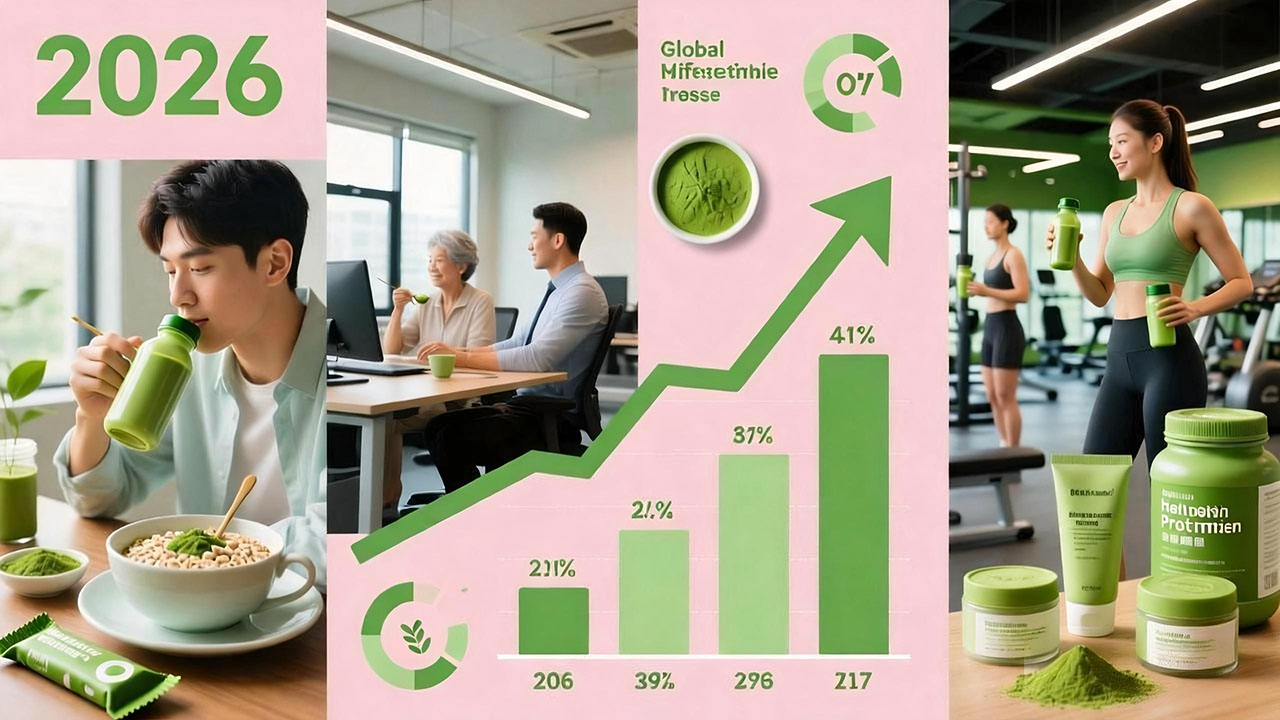

1. “Calm Energy” Replaces Caffeine Crash Culture

In an era of burnout and digital fatigue, consumers are actively rejecting jittery, sugar-laden energy sources. Enter matcha’s unique caffeine + L-theanine synergy—delivering sustained focus without anxiety or crashes.

  • 73% of U.S. Gen Z and Millennials now prefer “calm energy” over traditional stimulants (Mintel, 2026).
  • Brands are leaning into this with positioning like “focused zen,” “mindful fuel,” and “steady alertness.”
  • RTD (ready-to-drink) matcha beverages are overtaking energy drinks in convenience stores across Europe and North America.

💡 The new morning ritual isn’t espresso—it’s matcha with intention.


2. Matcha Goes Savory—and Gourmet

While sweet applications (lattes, ice cream, cakes) still dominate, 2026 marks the rise of umami-forward, savory matcha:

  • Fine dining: Chefs use ceremonial-grade matcha in broths, sauces, pasta dough, and even dry rubs for fish.
  • Snacking: Seaweed-matcha crisps, furikake-seasoned nuts, and matcha-infused miso spreads are trending in Japan and Korea—and gaining traction in the U.S. West Coast.
  • Plant-based cuisine: Matcha adds depth and color to vegan cheeses, tofu marinades, and grain bowls.

This shift reflects a deeper appreciation for matcha as a culinary ingredient, not just a health additive.
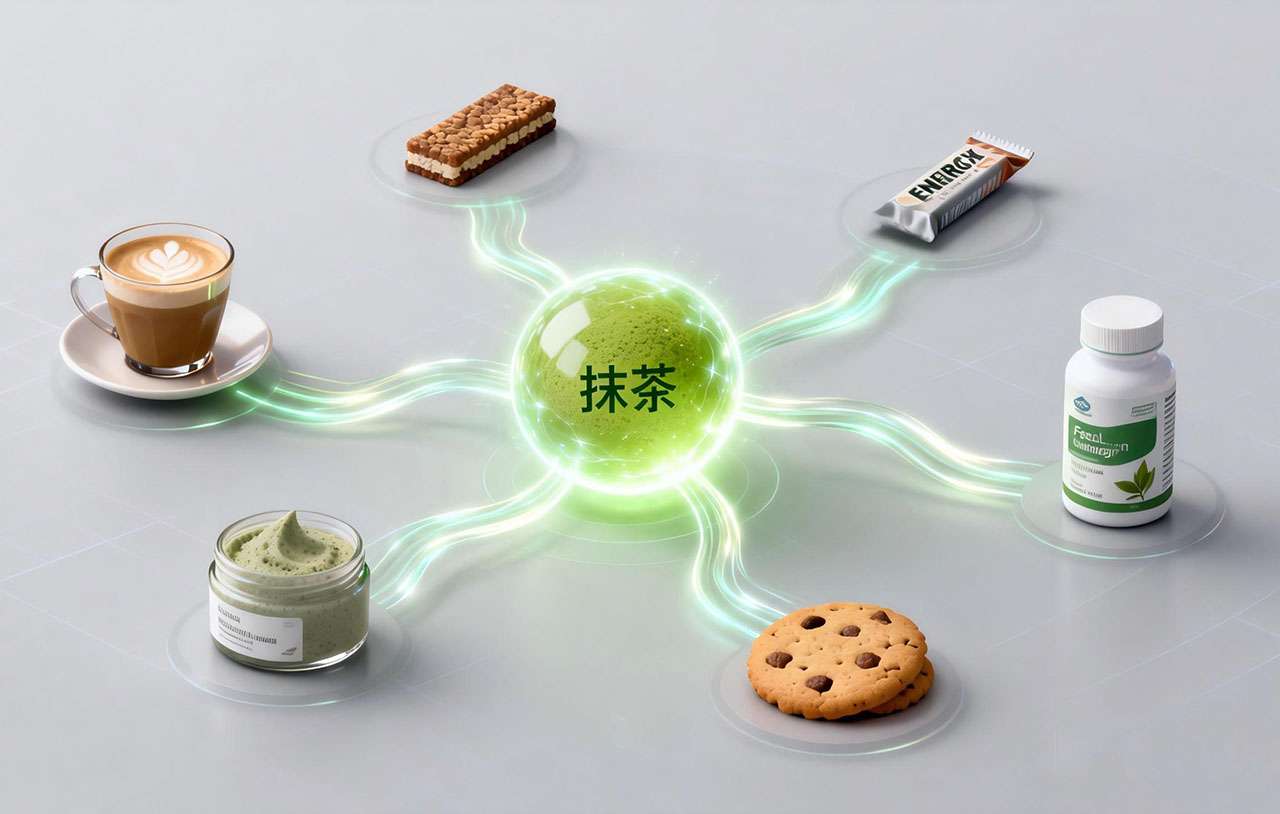

3. Tiered Consumption: From Mass-Market to Ultra-Premium

The market is bifurcating:

  • Mass tier: Affordable, functional matcha in protein powders, cereals, and private-label lattes (driven by Chinese and Vietnamese supply).
  • Premium tier: Single-origin, harvest-dated, shade-grown Japanese matcha marketed as “liquid mindfulness”—often sold via DTC with QR-code traceability.
  • Luxury tier: Limited-edition matcha from heritage farms in Uji or Nishio, priced at $80+/50g, positioned alongside fine wine or single-origin coffee.

Consumers aren’t choosing one—they’re layering usage: budget matcha for baking, premium for daily ritual, luxury for gifting.


4. Global South Emerges as New Demand Hub

While North America and Europe remain core markets, Latin America, Southeast Asia, and the Middle East are accelerating:

  • Brazil: Matcha açai bowls and coconut-matcha smoothies dominate urban cafés.
  • Thailand & Vietnam: Local brands blend matcha with pandan, coconut milk, or salted egg yolk for regional fusion desserts.
  • UAE & Saudi Arabia: High-end wellness centers and hotel chains feature matcha in spa menus and breakfast buffets as a “clean luxury” item.

These regions value matcha not just for health—but as a symbol of modern, cosmopolitan taste.
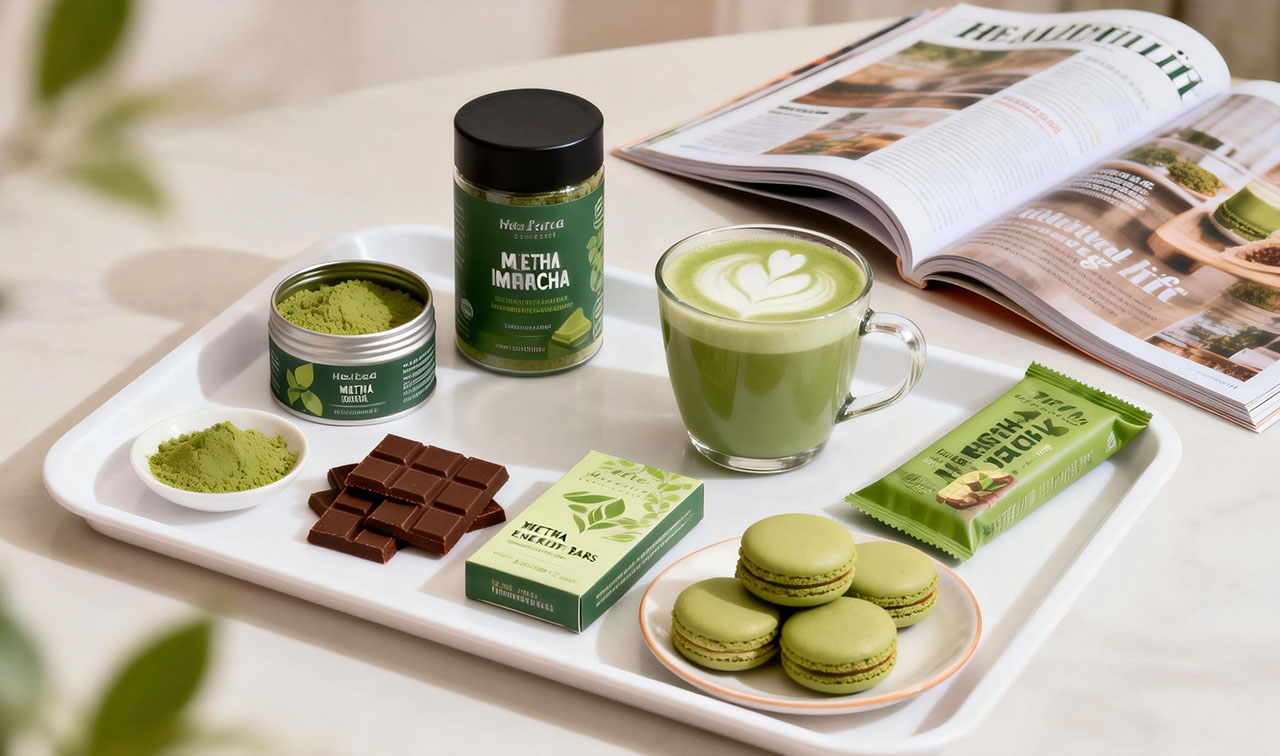

5. Sustainability & Ethics Drive Purchase Decisions

Consumers now ask: Who grew this? How was it harvested? What’s its carbon footprint?

  • Regenerative farming: Brands highlight soil health, biodiversity, and water stewardship in tea fields.
  • Fair labor practices: Certifications like Fair Trade or direct-trade partnerships are becoming differentiators.
  • Low-waste packaging: Compostable pouches, reusable tins, and bulk-refill stations are expected—not optional.

A 2026 IFOP survey found that 61% of European consumers would pay 15% more for matcha with verified ethical sourcing.


Bonus Trend: Matcha in Beauty & Personal Care

Though not ingested, topical matcha is booming:

  • Face masks with EGCG for antioxidant protection
  • Scalp serums targeting inflammation
  • Natural deodorants using matcha’s odor-neutralizing polyphenols

This “beauty-from-within-and-out” synergy reinforces matcha’s holistic wellness narrative.


Final Thought: Matcha as a Cultural Connector

What makes matcha uniquely positioned for long-term growth is its duality: it’s both ancient and futuristic, ritualistic and convenient, Japanese in origin yet globally adaptable.

In 2026, matcha isn’t just consumed—it’s curated, customized, and contextualized to fit local tastes and global values. For brands, the opportunity lies not in selling more powder, but in embedding matcha into meaningful moments—whether that’s a mindful morning, a post-workout recovery, or a shared dessert with friends.

The green wave isn’t slowing down. It’s deepening.

And the world is ready to drink it all in. 🍵🌍

2026 Global Matcha Ingredient Compliance Guide: Navigating Regulations Across Key Markets
Previous
2026 Global Matcha Ingredient Compliance Guide: Navigating Regulations Across Key Markets
Read More
2026 Update: Latest Pesticide Residue Standards for Matcha Exported to the European Union
Next
2026 Update: Latest Pesticide Residue Standards for Matcha Exported to the European Union
Read More

Unlock 2026 Matcha Trends

Get the industry report to outperform your competitors.
Name
Whatsapp*
Email*
Industry*
Select all that apply
Food & Beverage Manufacturing
Cafe & Bakery
Restaurant & Bar
Online Retail
Store & Shop
Health food store
Yoga and fitness studios
Trading/Distribution
Other(Please specify)
Message
Leave a message
Your Name/Business Name*
Email*
To receive order confirmation,secure payment link & shipment tracking.
Whatsapp/Mobile*
Contact number for order details
Product Size & Price*
Select Hot-Selling Quality Matcha Powder
Packing Options*
Quantity*
Delivery info for receiving matcha*
Message
After your order request,Jiueco's sales team: 24/7 follow-up & support from form to product use.